A curated stream of industry research, threat intelligence, and expert perspectives we find valuable.
TeamViewer fixed five high-severity flaws on September 29. Nobody is using them, there's no exploit code in public, and there's no deadline. Which is exactly why it's ten minutes this week rather than ten hours later.
Later this month Microsoft starts refusing to run anything but its own code on the page where you type your work password. It's on by default, there's nothing to buy, and sign-in keeps working. One five-minute check tells you whether it affects you.
A fake ChatGPT add-on sat on chatgpt.com, with the real address and the real padlock, and asked people to paste a line of text into Windows. The ones who did handed over the machine. One sentence stops the whole family of attacks.
Google fixed a flaw in the Pixel's cellular radio and said it may already be in use. It's probably not your phone. The question it raises is who would have installed the fix if it were.
Researchers showed how somebody who already holds admin rights can bolt a fake MFA step onto a company's login and keep every password typed into it. Resetting the passwords doesn't help. That's the useful part.
WordPress shipped an emergency security release on September 22. Attackers were scanning for sites that hadn't taken it the same morning. Five minutes tells you whether yours is one of them.
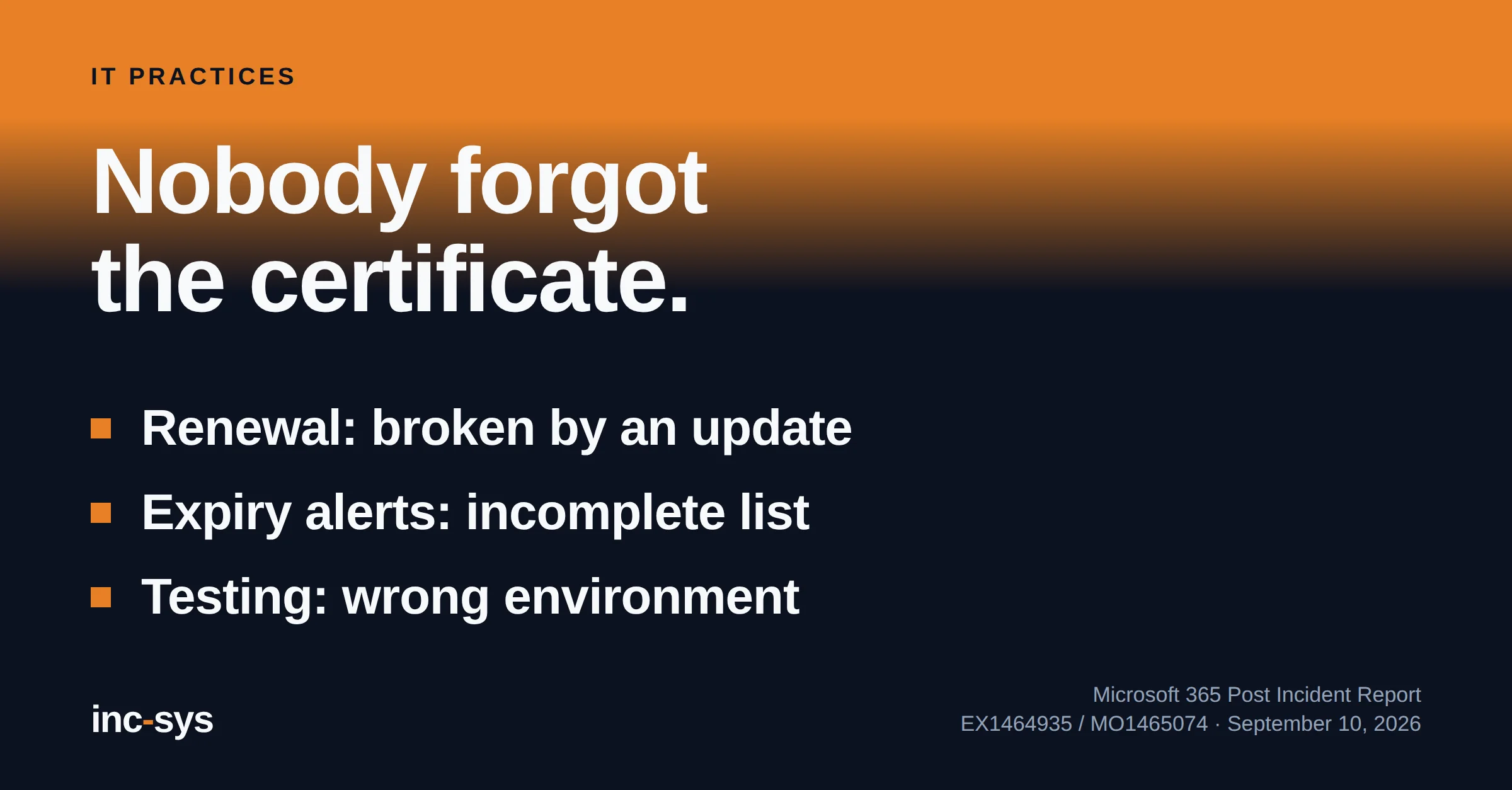
Microsoft has published its post-incident report, and we can finally answer the question this page has been carrying since September 1.
Every few months someone asks whether they'd save money leaving Microsoft 365 for Google Workspace. One analyst put a number on it, and the number goes the wrong way by about two dollars.
Last week we told you to install Microsoft's September update. This week Microsoft published a problem with it. Here's the problem, and here's why it almost certainly isn't yours.
A critical flaw in the remote-access software your IT provider probably uses was patched September 8 and is already being exploited. The more useful story is about the copy nobody bought.
For transparency: we have no commercial relationship with OpenAI, so we have no stake in how this reads.
Open Settings, then Windows Update. Find "Get the latest updates as soon as they're available" and turn it off on work computers.
If we manage your systems, this went out this week. If we don't, the check above is the whole job.
Here's how it works, and one detail gives the whole thing away.
We deploy Ubiquiti UniFi networking equipment. So this isn't an article about somebody else's problem.
Gunra didn't even write their own software. It's built from code that leaked out of a different ransomware gang years ago. They took someone else's tool, renamed it, and started using it. And they're getting into real companies with it, because the way in was already open.
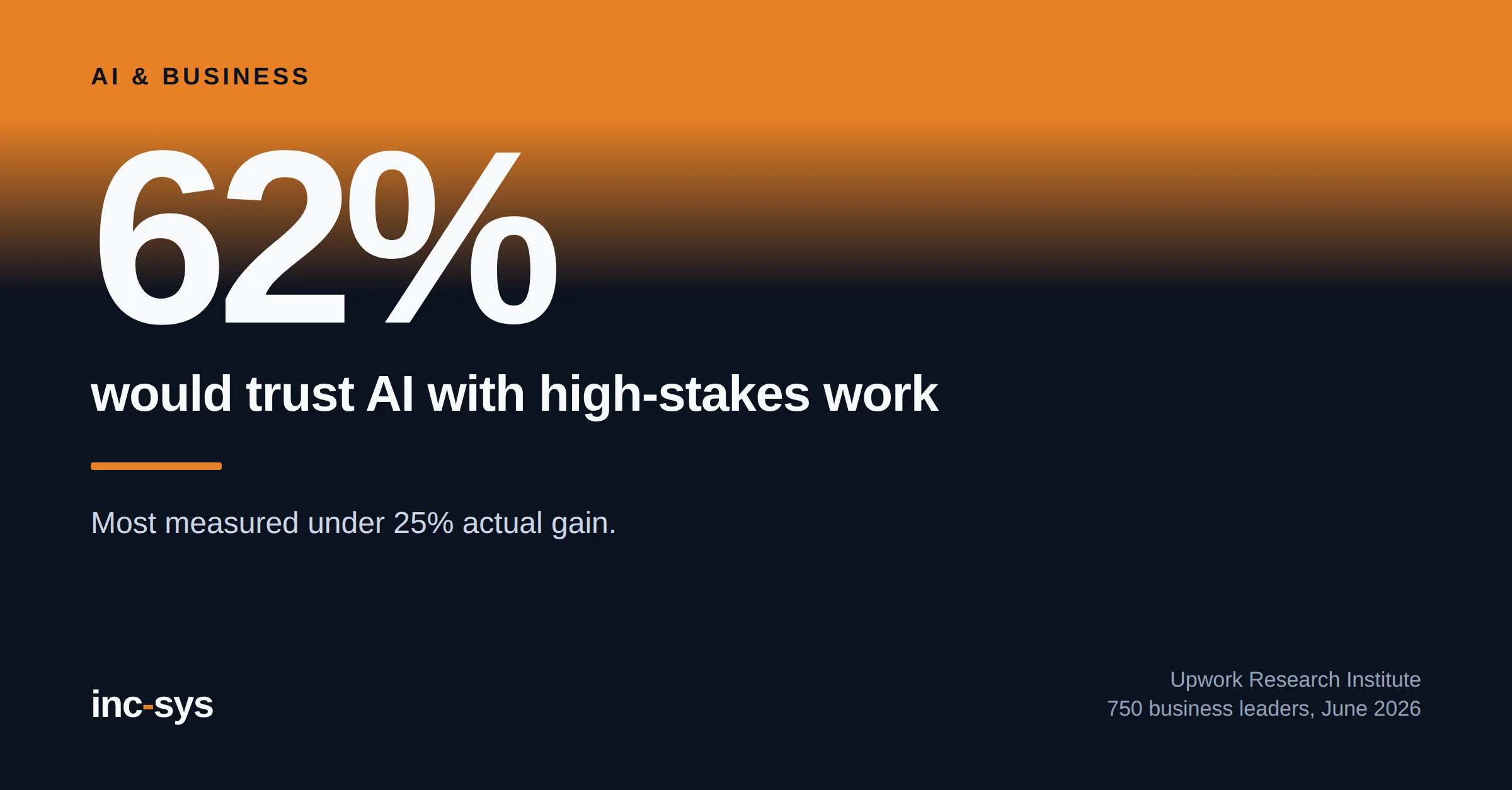
74% said AI has made their organization more productive. But for most of them, the improvement measured under 25%.
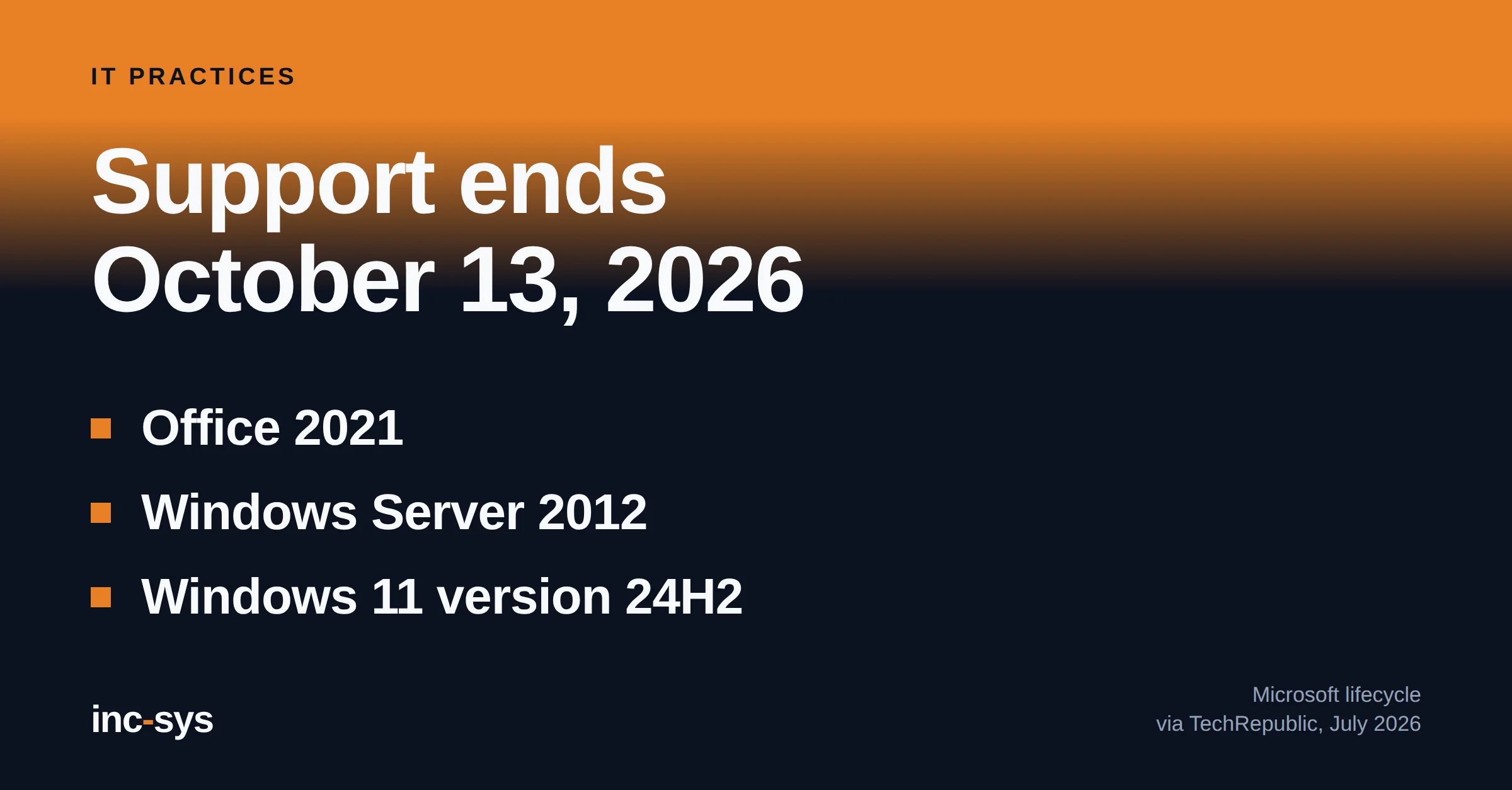
Nothing breaks on October 14